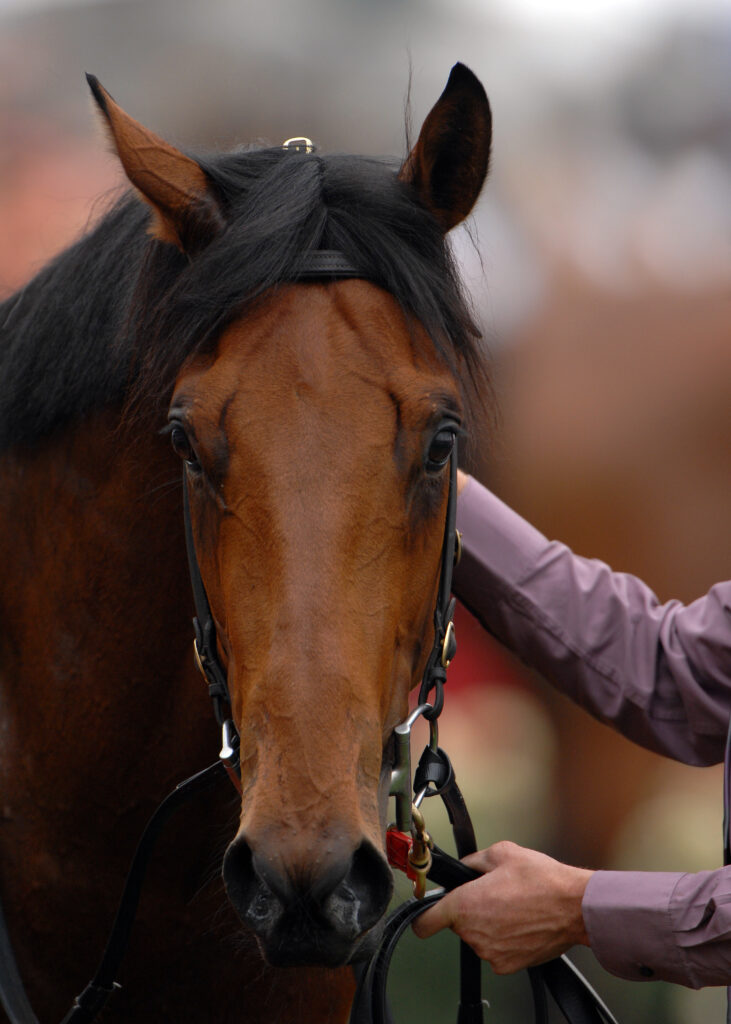
Learn how to calm a nervous horse using expert-backed techniques to reduce anxiety, build trust, and ensure a calm, confident, and well-balanced equine.
How to Calm a Nervous Horse: Proven Expert Tips for Relaxation and Confidence
Horses are incredibly sensitive animals, finely attuned to their surroundings and the emotions of those around them. When a horse becomes nervous, it’s not just uncomfortable—it can also be unsafe for both horse and rider. Whether the anxiety stems from new environments, loud noises, or a lack of trust, knowing how to calm a nervous horse is essential for every horse owner or rider.
Before diving into the strategies, if your horse’s nervousness is linked to physical discomfort such as joint stiffness or arthritis, you might want to explore Horse Arthritis Treatment: Effective Ways to Manage Joint Pain and Improve Mobility. Physical pain often amplifies stress and anxiety in horses.
Understanding Why Horses Get Nervous
Horses are prey animals by nature. Their instinctive reaction to danger is to flee. Because of this, they are easily startled by unfamiliar situations, sudden movements, or loud sounds.
According to Wikipedia’s entry on horse behavior, horses have highly developed senses and a strong fight-or-flight response that can make them anxious in uncertain conditions. Nervousness may also arise from improper handling, inconsistent training, or even changes in their environment or social structure.
Medical Causes of Nervousness You Should Never Ignore
Many horse owners focus entirely on training or environment when trying to calm a nervous horse — but one of the most commonly overlooked causes of anxiety is an underlying medical problem. Before you begin any behavioral work, it is essential to rule out physical discomfort as the root cause.
Gastric Ulcers and Digestive Pain
Equine gastric ulcer syndrome (EGUS) is one of the most prevalent and underdiagnosed conditions in horses. Studies estimate that up to 90% of racehorses and 60% of performance horses suffer from gastric ulcers. A horse with stomach ulcers is frequently in low-grade pain, which manifests as irritability, girthiness, reluctance to work, and general nervousness — especially during feeding times or when pressure is applied to the abdomen.
If your horse has become suddenly nervous without an obvious environmental trigger, a veterinary examination including gastroscopy (stomach scoping) is strongly recommended.
Vision Problems
Horses have wide-angle vision that gives them nearly 350-degree sight, but they also have a large blind spot directly in front and behind them. Horses with cataracts, uveitis (moon blindness), or declining vision due to age may spook or react anxiously more frequently — especially in low light, near arena corners, or when approached from the blind spot.
Signs of vision-related anxiety include spooking at objects they previously ignored, reluctance to enter dark stables, and head-tilting. A veterinary ophthalmology exam can identify issues early.
Dental Pain
Sharp hooks, uneven wear, wolf teeth, or infected molars can cause significant discomfort in the mouth, particularly under the pressure of a bit. A horse in oral pain may toss its head, resist contact, become difficult to bridle, or show general agitation that resembles nervousness.
Regular dental floating by an equine dental specialist — ideally every 6 to 12 months — is an important part of managing a horse’s behavioral health, not just physical health.
Hormonal Imbalances
Mares experiencing irregular estrous cycles and horses with pituitary pars intermedia dysfunction (Cushing’s disease / PPID) can show heightened anxiety and mood instability. If your mare is chronically nervous around specific times of month, or an older horse has progressively worsened, consult your vet about hormonal testing.
When to Call the Vet First
If nervousness appeared suddenly, if it is getting worse over time, or if it is accompanied by weight loss, poor coat condition, reluctance to eat, or changes in performance — always get a veterinary examination before assuming the problem is purely behavioral. Treating a behavioral symptom without addressing an underlying medical cause will never produce lasting results.
Signs of a Nervous Horse
Recognizing early signs of anxiety can prevent panic and injury. Some common symptoms include:
- Ears constantly flicking or pinned back
- Wide eyes or excessive blinking
- Trembling or sweating
- Restlessness and pacing
- Bolting or spooking
- Grinding teeth or snorting
If you observe these behaviors, it’s crucial to stay calm and avoid reacting harshly. Your demeanor directly affects your horse’s emotional state.
Step-by-Step Guide on How to Calm a Nervous Horse
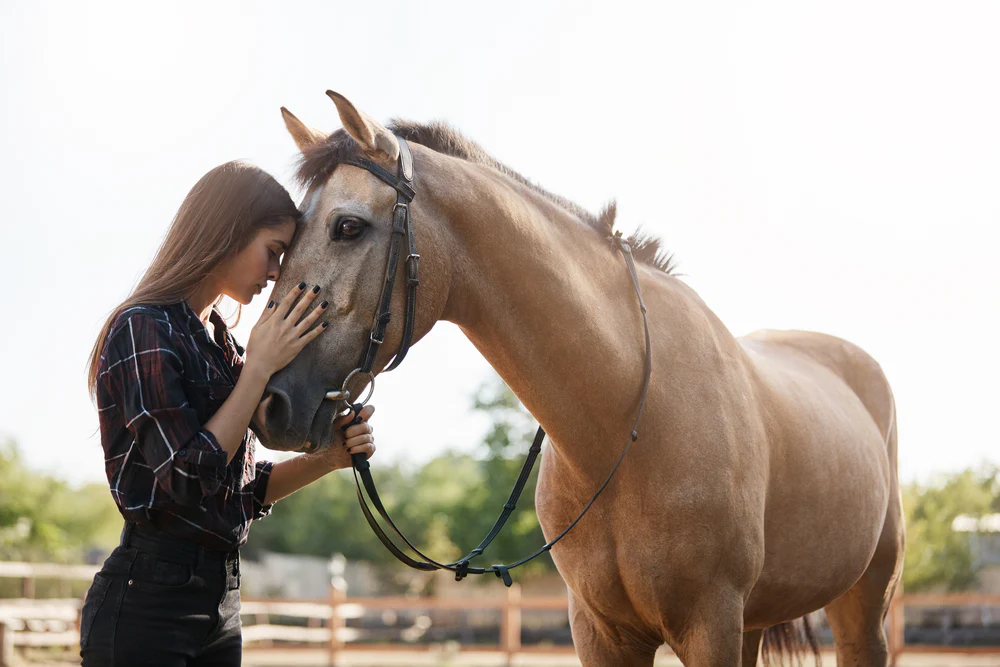
1. Stay Calm and Confident
Horses can sense human emotions remarkably well. If you’re tense, your horse will be too. Keep your body language relaxed, speak softly, and avoid sudden movements. A steady, confident tone reassures your horse that everything is under control.
2. Create a Safe and Familiar Environment
Ensure that your horse’s surroundings are calm and predictable. Avoid overexposure to new stimuli all at once. Gradually introduce them to new objects or environments to build trust.
When transporting your horse or exposing them to unfamiliar areas, make sure they have familiar companions or objects (like a favorite halter or blanket) to provide comfort.
3. Use Gentle Groundwork Training
Groundwork exercises are excellent for building trust and respect. Techniques such as lunging or desensitization can help a horse gain confidence. Keep sessions short and positive. Reward calm behavior immediately with gentle praise or treats.
For deeper behavioral insights, Forbes’ guide on equine training methods highlights the importance of consistency and calm energy in horse handling.
4. Establish a Consistent Routine
Horses thrive on predictability. Feeding, grooming, and exercise should follow a regular schedule. Sudden changes in routine can cause anxiety. Keep mealtimes and riding times as consistent as possible to create a sense of stability.
5. Provide Adequate Exercise and Turnout Time
A horse that spends too much time confined may develop anxiety or restlessness. Ensure they get enough physical activity and turnout in open spaces. Movement helps release tension and boosts endorphins, which are natural mood stabilizers.
6. Soothing Music and Aromatherapy
Studies have shown that calm music can help lower a horse’s heart rate and reduce stress. Soft classical or instrumental tunes work best. Aromatherapy using natural scents like lavender or chamomile can also help create a soothing environment.
7. Professional Help When Needed
If your horse’s anxiety persists, it may be time to consult an equine behaviorist or veterinarian. Chronic nervousness could indicate an underlying medical issue such as pain, vision problems, or hormonal imbalance.
According to The Horse Magazine, behavioral changes are often the first sign of discomfort or illness. Early intervention ensures both physical and emotional well-being.
The Pressure-Release Technique — The Foundation of Calm Training
One of the most powerful and scientifically validated methods for calming and building confidence in a nervous horse is the pressure-release technique. It forms the foundation of natural horsemanship and is used by professional trainers worldwide to address anxiety, spooking, and resistance.
What Is Pressure-Release?
The premise is simple: you apply a gentle, consistent pressure (a signal or cue) and the moment the horse responds correctly — even partially — you immediately release that pressure. The release of pressure is the reward. Horses learn not through punishment, but through the relief that comes when they respond correctly.
Over time, the horse learns that responding calmly to your cues always results in relief and comfort. This builds a deep sense of trust and emotional safety.
How to Apply It for a Nervous Horse
Step 1 — Identify the threshold. The threshold is the point at which your horse begins showing anxiety signs (tense muscles, raised head, rapid breathing). Your goal is to work just at or slightly below this threshold — close enough that the horse is mildly stimulated, but not overwhelmed.
Step 2 — Apply gentle pressure. This might mean walking toward a scary object, introducing a novel sound, or asking the horse to stand near something unfamiliar. Use the lightest possible pressure.
Step 3 — Watch for any try. The moment the horse takes a breath, softens a muscle, lowers its head even slightly, or turns an ear toward you rather than the object — release immediately. Walk away, remove the stimulus, give them a moment.
Step 4 — Build gradually. Return to the stimulus and repeat, each time asking for a little more before releasing. Over multiple sessions, the horse’s threshold rises and they become genuinely desensitized rather than simply suppressed.
What NOT to Do — Flooding
Flooding is the opposite approach — placing a horse directly into maximum exposure to something frightening and keeping them there until they give up reacting. While it may produce apparent results quickly, it does not build genuine confidence. It builds learned helplessness. Horses trained this way often appear calm on the surface but remain internally stressed, and may react unpredictably when the flooding experience is recalled by a similar stimulus.
Always choose gradual, pressure-release desensitization over flooding.
Building Trust Over Time
Trust doesn’t happen overnight. Spend quality time with your horse beyond training—groom them, talk to them, and simply be present. These moments of quiet connection foster a strong bond and reduce overall anxiety levels.
Use positive reinforcement instead of punishment. Horses remember both kindness and fear—your approach determines which one they associate with you.
Equipment and Tack Considerations
Sometimes, nervousness stems from discomfort caused by ill-fitting equipment. Ensure that saddles, bridles, and halters fit properly. A professional saddle fitter can help identify pressure points that may cause irritation or pain.
Regular dental and hoof care are equally essential. Painful teeth or hooves can make a horse agitated, leading to nervous behaviors.
Nutrition and Supplements for Calming
Certain supplements may help reduce anxiety in horses, particularly those containing magnesium, vitamin B1, or tryptophan. However, always consult your veterinarian before introducing new supplements to your horse’s diet.
A balanced diet with sufficient fiber, clean water, and regular feeding times supports both physical and emotional health.
Calming Supplements for Horses — A Deep-Dive Guide
The equine supplement market is flooded with calming products making bold claims. Here is a science-based breakdown of the most researched ingredients so you can make an informed decision with your vet.
Magnesium
Magnesium is the most widely used calming supplement in horses, and for good reason. It plays a critical role in neuromuscular function and the regulation of the nervous system. Magnesium deficiency has been linked to increased muscle tension, sensitivity to stimuli, and irritability in horses.
Horses on magnesium-deficient pasture or those in high-stress situations may benefit meaningfully from supplementation. Forms such as magnesium oxide and magnesium aspartate are commonly used. Typical supplementation ranges from 5–10 grams per day for an average 500kg horse, though your vet can advise based on bloodwork.
Important note: Excess magnesium supplementation can cause loose droppings and, in large doses, cardiovascular issues. Always supplement within recommended guidelines.
Alpha-Casozepine
Alpha-casozepine is a bioactive peptide derived from the digestion of the milk protein alpha-S1 casein. It works by binding to GABA receptors in the brain — the same receptors targeted by benzodiazepine anti-anxiety medications — producing a mild calming effect without sedation.
Studies in dogs and cats have demonstrated its anxiolytic (anti-anxiety) effects, and it has been incorporated into several equine calming supplements. It is non-sedating, does not impair performance, and is generally considered competition-safe (though always verify with the relevant governing body). It is a good option for horses with generalized anxiety rather than acute, situation-specific fear.
L-Tryptophan
Tryptophan is an essential amino acid and the dietary precursor to serotonin, the neurotransmitter associated with mood regulation. In theory, more tryptophan should mean more serotonin and a calmer horse.
However, the reality is more nuanced. Research has shown that L-tryptophan supplementation can actually increase excitability in some horses at lower doses, particularly when given before exercise. Higher doses may produce calming effects, but the evidence is inconsistent. Use tryptophan-containing supplements cautiously, and monitor your horse’s individual response carefully.
Vitamin B1 (Thiamine)
Thiamine (Vitamin B1) is involved in carbohydrate metabolism and nervous system function. Horses with high grain diets, those under significant stress, or horses with hindgut issues may have impaired thiamine absorption. Supplementation has been used for decades by horsemen to support nervousness, and while formal research is limited, many owners and trainers report observable improvements. It is widely considered safe at recommended doses.
Valerian
Valerian root has a long history of use as a natural sedative and anxiolytic in both humans and animals. It acts on GABA receptors similarly to alpha-casozepine. It is effective for some horses but carries an important warning: valerian is a prohibited substance under FEI and most national federation rules, including USEF. It is detectable in post-competition drug tests. Never use valerian on a competition horse.
Chamomile and Lavender Aromatherapy
Research from the Universities of London and Northampton has shown that ambient lavender aroma can reduce cortisol levels and heart rate in horses. Chamomile similarly has established anxiolytic properties. Using lavender essential oil in a diffuser in the stable, or applying diluted lavender to a neck rug, can be a gentle supportive tool for a chronically anxious horse. These are not replacements for training and management, but useful complements.
CBD (Cannabidiol)
CBD products for horses are becoming more widely available. Some preliminary research suggests anti-anxiety properties, though rigorous equine-specific studies are still limited. CBD is currently a prohibited substance in most equestrian competition settings. Consult your vet and check your governing body’s rules before using CBD.
Key Rules for Supplement Use
- Always introduce one supplement at a time so you can evaluate its effect
- Give any new supplement at least 4–6 weeks to assess impact
- Check every supplement against the banned substances list of your governing body before a competition
- Never use supplements as a substitute for addressing root causes (pain, diet, training, environment)
Long-Term Strategies to Prevent Nervousness
- Desensitization Training: Gradually expose your horse to different sounds, objects, and environments.
- Travel Practice: Introduce short trailer rides before longer trips.
- Social Interaction: Horses are herd animals. Isolation can lead to anxiety, so ensure they have company when possible.
- Gentle Handling: Never punish fear responses. Patience builds confidence far better than force.
Final Thoughts
Learning how to calm a nervous horse is as much about understanding equine psychology as it is about skillful handling. Every horse is unique—some may need gentle reassurance, while others benefit from structured training. With empathy, consistency, and professional care, even the most anxious horse can learn to trust and relax.
By combining emotional awareness with practical techniques, you ensure a safe, happy, and confident partnership with your equine companion.
FAQs About How to Calm a Nervous Horse
1. How can I calm a nervous horse quickly?
Stay calm, speak softly, and remove them from the stressor. Gentle stroking and slow breathing can also help your horse relax.
2. What are the best natural ways to calm a nervous horse?
Aromatherapy, consistent routines, and gentle groundwork exercises are effective natural methods.
3. Can supplements help calm a nervous horse?
Yes, magnesium and vitamin B1 supplements may help, but always consult a veterinarian first.
4. Why is my horse suddenly nervous?
Sudden nervousness can result from pain, environmental changes, or trauma. A vet check is recommended.
5. How long does it take to calm a nervous horse?
It depends on the cause and the horse’s temperament. Some may relax in minutes, while others require consistent desensitization over weeks.
6. Can stomach ulcers cause nervousness in horses?
Yes. Gastric ulcers are one of the most common but underdiagnosed causes of behavioral changes including anxiety, girthiness, and general nervousness in horses. If nervousness is accompanied by poor appetite, weight loss, or reluctance to be girthed, a veterinary examination is strongly recommended.
7. What is the pressure-release technique for horses?
The pressure-release technique involves applying a gentle, consistent stimulus (pressure) and immediately releasing it the moment the horse responds with any calm behavior — even a small try. The release is the reward. Over repeated sessions, the horse learns that calm responses always result in relief, which builds genuine confidence and trust rather than fear-based compliance.
8. Are calming supplements safe for competition horses?
Not all calming supplements are competition-safe. Valerian and CBD, for example, are prohibited substances under FEI and USEF rules. Magnesium, alpha-casozepine, and B vitamins are generally permitted but always verify with the relevant governing body before using any supplement ahead of a competition.